Receding hairline treatment: from monitoring to medication to surgery
By Dr Meena Zareie · Medically reviewed by Dr Meena Zareie
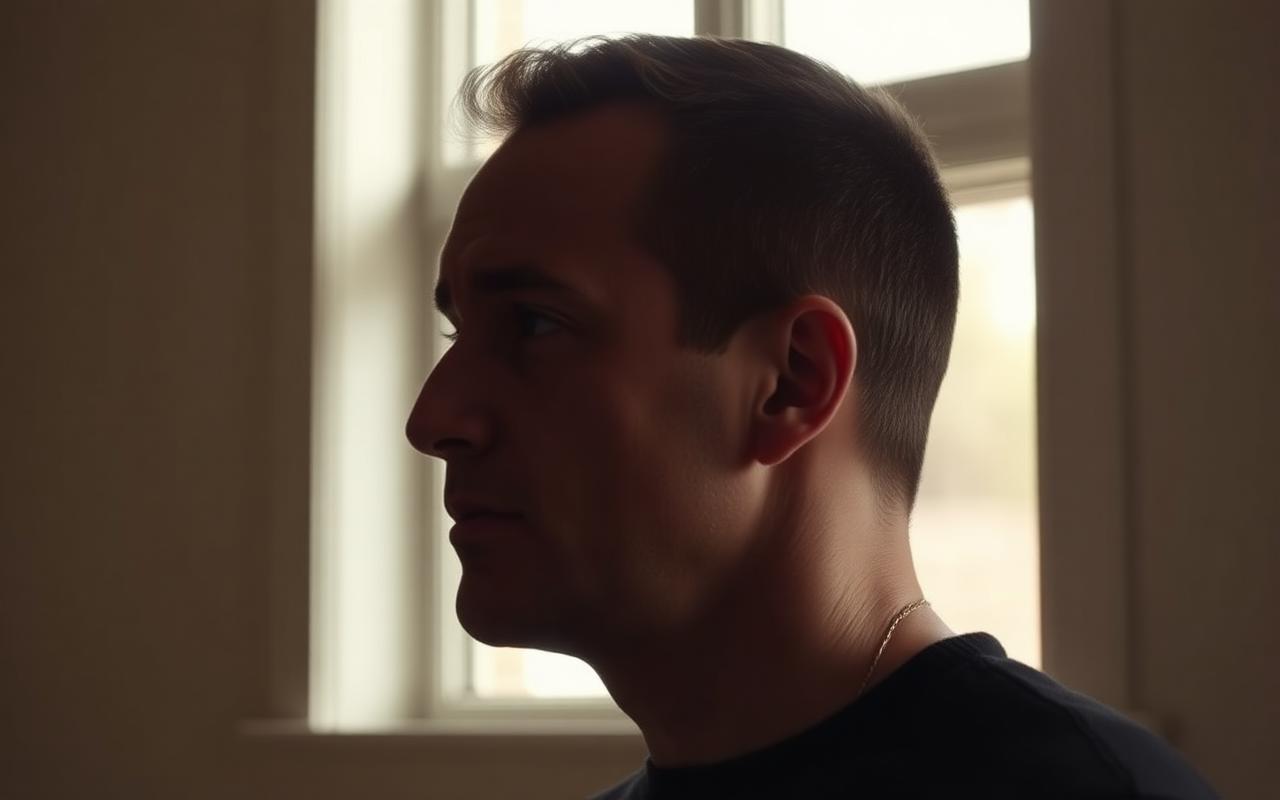
What actually slows or restores a receding hairline at each stage: when to monitor, when to start medical therapy, and when surgery is the right next step.
A receding hairline is one of the earliest visible signs of male-pattern hair loss — and one of the hardest to judge calmly, because we see our own face in the mirror every day. Here is how we approach a receding hairline as doctors: what the realistic options are at each stage, and how to choose between them.
Stage 1: confirm the diagnosis
Not every change in the hairline is androgenetic. Stress, illness, traction, deficiencies and thyroid problems can all play a role. The right first step is an examination — including, if needed, simple blood tests — so the treatment matches the cause.
Stage 2: monitor and protect
For mild recession that is still evolving, photographic monitoring every 6–12 months and medical therapy where appropriate (minoxidil, finasteride) protects what you have. This stage is also when patients often benefit most from honest information — and least from surgery.
Stage 3: surgical restoration
When the pattern is stable and the recession bothers you, a transplant is a strong option. A hairline restoration is one of the most rewarding procedures because the change frames the face directly; it is also one of the most demanding because the design has to look natural now and in twenty years. That is why the planning matters as much as the surgery.
Choosing a hairline design
- Age-appropriate: not the hairline you had at 18
- Matched to face shape and forehead height
- Soft, irregular edge — never a straight line
- Designed with your future hair loss in mind
Frequently asked questions
Can I treat just the temples?
Often yes — temple points can be restored in smaller sessions, sometimes alongside a wider hairline plan.
Will medication alone be enough?
For mild recession that is still active, sometimes — the goal becomes stopping the recession rather than reversing it. For established recession, medication protects what remains but does not refill the bare zone.
How many grafts does a hairline take?
Roughly 1,200–1,800 for a full restoration, depending on the recession and the design. The free hair analysis gives you a number for your specific case.
A receding hairline does not have to be either ignored or rushed into surgery. The right answer is usually a plan over time — and that is the conversation we have at the consultation.
Further reading
- Before & after results
- Best age for a hair transplant
- Book a free consultation
- Hair transplant overview