How many grafts do I need? An honest guide to graft numbers
By Dr Meena Zareie · Medically reviewed by Dr Meena Zareie
800, 2,000, 4,000 grafts — what the numbers actually mean, how need is calculated by zone and Norwood stage, and why 'as many as possible' is the wrong goal.
Every hair transplant quote revolves around one number: grafts. It drives the price, the length of the day and the density you can achieve — and yet most patients meet that number first in a sales conversation rather than an explanation. Here is how graft need is actually estimated, zone by zone, and how to sense-check any number you are quoted.
What a graft actually is
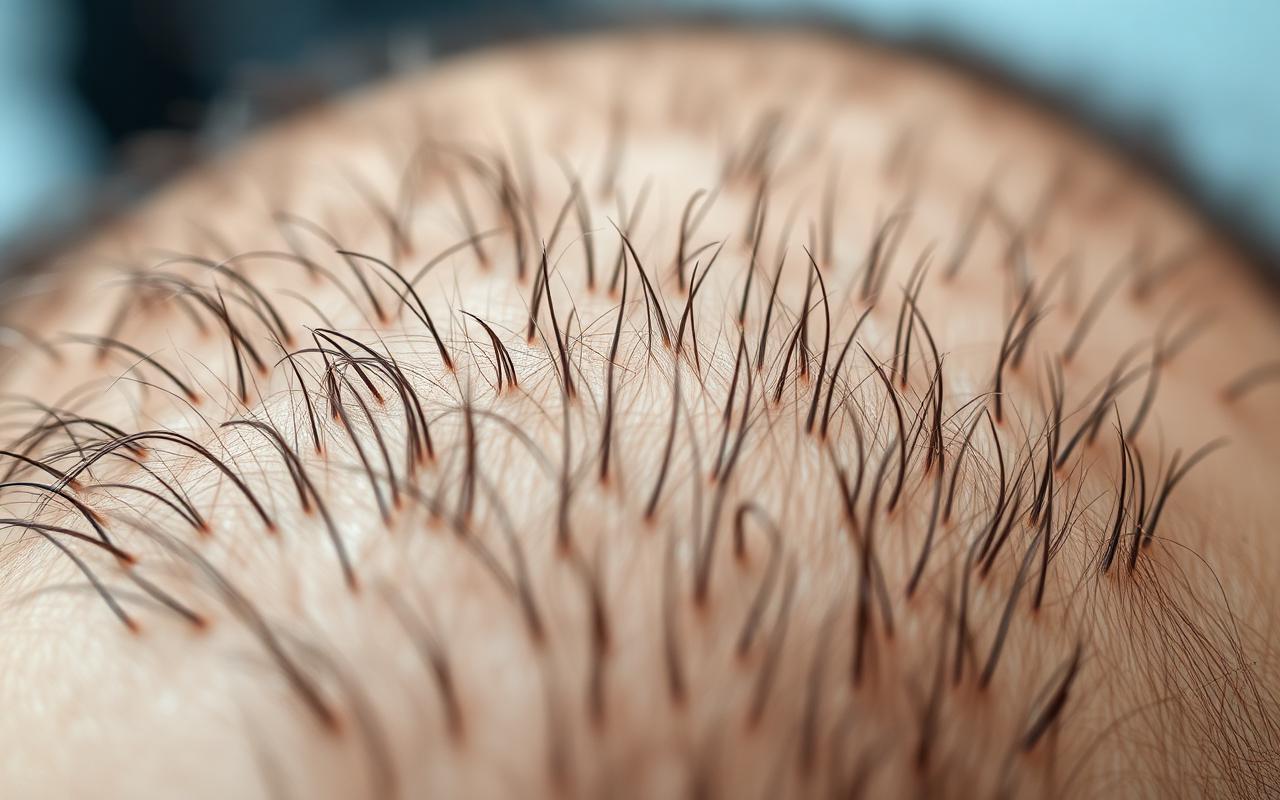
A graft is not a hair — it is a follicular unit, a natural bundle of 1–4 hairs as they grow on the scalp. The average unit carries a little over two hairs, so 2,000 grafts means roughly 4,000–5,000 hairs. Single-hair units are placed for a soft edge at the hairline; multi-hair units build density behind them. The mix matters as much as the count.
Typical graft ranges by zone
- Temples / mild recession: ~500–1,000 grafts
- Full hairline restoration: ~1,200–1,800 grafts
- Hairline plus frontal area: ~1,800–2,500 grafts
- Crown (vertex), depending on diameter: ~1,000–2,500 grafts
- Front and crown combined: ~2,500–4,000 grafts
- Advanced hair loss (Norwood 5–6): ~3,500–4,500+, often split across two sessions
These are honest guide ranges, not quotes — the actual number depends on the area in square centimetres, the density target, your hair calibre and curl (thicker, wavier hair covers more) and the contrast between hair and skin colour.
The donor area sets the budget
The back and sides can typically yield 5,000–7,000 grafts across a lifetime — sometimes less. That budget has to cover not just today's plan but the hair loss still to come. A responsible plan therefore prioritises the zones that frame the face, keeps a reserve and sometimes deliberately treats a large area at moderate density instead of chasing maximum coverage in one go.
Why 'as many as possible' is the wrong goal
Clinics that charge per graft have an incentive to inflate the number; megasession marketing does the rest. But over-harvesting visibly thins the donor, placing grafts beyond what the blood supply will support can lower yield, and burning your lifetime budget in one session leaves nothing for the future. The right question is not 'how many can I have?' but 'what does my plan need — now and in ten years?'
Frequently asked questions
Can a graft estimate be given from photos?
Photos allow a rough range and are a sensible starting point for travelling patients. A firm number needs in-person analysis, where donor density and hair calibre are measured directly.
Do unused grafts grow back in the donor area?
No — harvested follicles do not regenerate. That is exactly why the donor's lifetime budget deserves more respect than per-graft pricing suggests.
Is a single 5,000-graft session realistic?
Treat very large single-session promises with caution. Beyond around 4,000–4,500 grafts, quality control, yield and donor protection all argue for splitting the work — and that is what we recommend when need runs that high.
At the free hair analysis you receive your personal zone-by-zone graft estimate, the reasoning behind it and a fixed price — so the number in your quote is one you understand, not one you were sold.