FUE vs FUT hair transplant: the real differences, explained without bias
By Dr Meena Zareie · Medically reviewed by Dr Meena Zareie
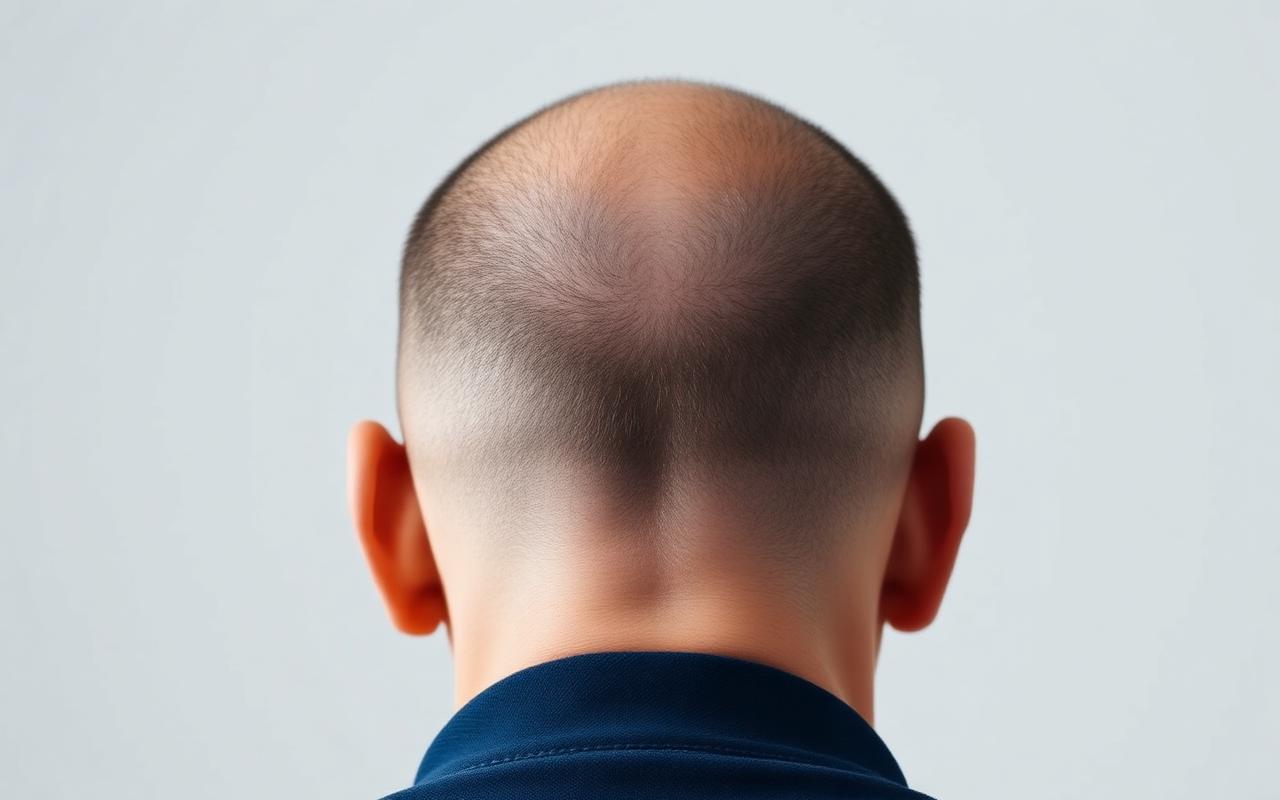
The strip method (FUT) still exists for good reasons — but FUE has become the standard. How the two methods compare on scarring, healing and results, and why FUE is the modern choice.
Almost every hair transplant today starts at a fork in the road: FUE or FUT. The honest answer is that both transplant the same follicular units and can both produce excellent growth — they differ in how the donor hair is harvested, and that difference drives scarring, healing, comfort and patient suitability.
How FUT works
FUT — Follicular Unit Transplantation, the 'strip method' — removes a narrow strip of skin from the back of the head and closes the wound with sutures. The strip is dissected under microscopes into individual follicular units, which are then implanted exactly as in FUE. The signature is the donor wound: a single linear scar that stays fine with good closure but is visible at short haircuts.
How FUE works
FUE — Follicular Unit Extraction — removes each unit one by one with a fine punch, leaving dot-like marks that heal within days and disappear at all but the shortest hairstyles. There is no scalpel strip, no sutures, and donor discomfort is typically milder and shorter. It is the method we use at our clinic, including its unshaven variants.
The differences that actually matter
- Scarring: FUT leaves a linear scar; FUE scattered micro-dots — decisive if you ever wear short hair
- Healing: FUE donor areas settle in days; FUT sutures and tightness take weeks
- Lifetime yield: FUT preserves donor density elsewhere and can be combined with later FUE; aggressive FUE alone thins the donor diffusely
- Session size: a single FUT strip can deliver large graft counts efficiently; large FUE plans take longer or are staged
- Comfort and flexibility: FUE allows unshaven approaches; FUT effectively does not
So why does FUT still exist?
Because it remains rational for a minority of patients: very large need with limited donor elasticity, patients who will never wear short hair and want maximum lifetime yield, or repair cases under specialised strategies. A method being older does not make it wrong — but for most patients today, the scar-sparing healing and styling freedom of FUE outweigh FUT’s yield edge. That is why FUE has become the standard of care — and what we perform.
Frequently asked questions
Is yield better with FUE or FUT?
In experienced hands the two achieve comparable yield; technique quality matters far more than the acronym. Done poorly, both fail — which is why who performs the surgery matters more than what is performed.
Does FUE really leave no scars?
FUE leaves dot scars rather than a line. With moderate harvesting and good technique they are usually invisible from short buzz lengths onward; very aggressive FUE can produce visible thinning of the donor.
At the free hair analysis we explain which method genuinely fits your hair, your donor and your goals — and why.