Diffuse hair loss: why the whole top thins, and what actually helps
By Dr Meena Zareie · Medically reviewed by Dr Meena Zareie
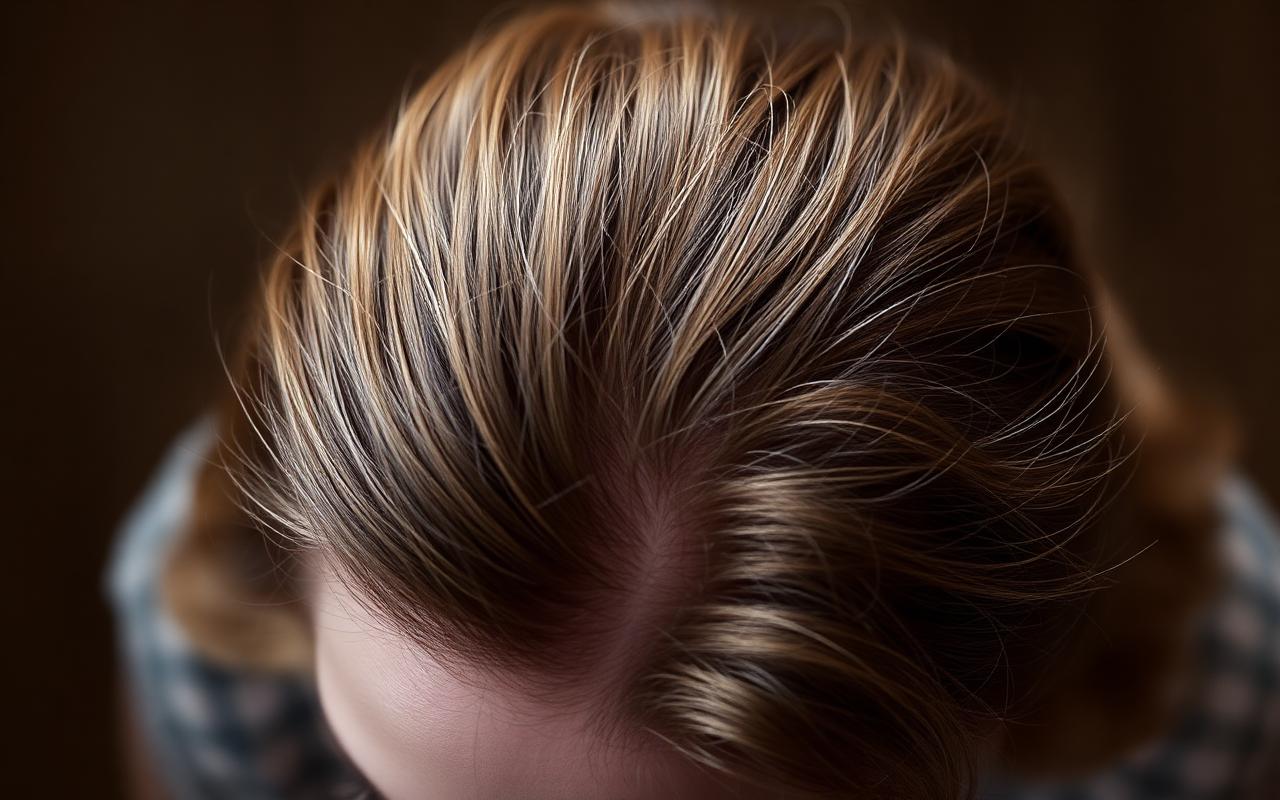
Diffuse hair loss looks different from a receding hairline — and needs a different plan. How it is diagnosed, why surgery alone is rarely the answer, and what realistic treatment looks like.
Diffuse hair loss — thinning across the whole top of the scalp rather than from the hairline back — is a different problem from patterned recession, and it needs a different plan. It can affect women and men, has a wider range of possible causes, and benefits less from surgery alone. Here is the honest approach.
What diffuse looks like
Hair feels thinner overall, the parting widens, ponytails become smaller, and the scalp becomes easier to see in bright light — without a defined bald zone. The hairline often remains intact, which makes the change harder to photograph and easier to dismiss.
Common causes
- Female-pattern hair loss (genetic, hormonal)
- Male-pattern hair loss with a diffuse phenotype
- Telogen effluvium after stress, illness, surgery or rapid weight loss
- Thyroid problems and other endocrine conditions
- Iron, vitamin D, B12 or protein deficiencies
- Medications and contraceptive changes
Why surgery alone is rarely the answer
Diffuse loss usually means the donor area is also thinning, which limits how much can safely be harvested. Adding grafts to a scalp that is still losing native hair across the board often produces a disappointing result. The plan starts with diagnosis and medical therapy; surgery, if appropriate at all, follows once the picture is stable.
What actually helps
- A proper diagnosis with examination and targeted blood tests
- Treating any reversible cause (deficiency, thyroid, medication)
- Medical therapy: minoxidil for many patients; finasteride or alternatives in selected men; spironolactone or hormonal options for some women
- Photographic monitoring to judge progress objectively
- Considered, conservative surgery only where it adds value
Frequently asked questions
Can a woman have a hair transplant?
In selected cases yes — particularly with stable hairline shaping or temple restoration. Diffuse female-pattern loss usually needs medical management first.
Will my hair grow back after telogen effluvium?
Most of it usually does, over 6–12 months after the trigger has resolved. Patience and proper diagnosis matter more than any product.
What blood tests are useful?
Typically full blood count, ferritin, thyroid function, vitamin D and B12 — adjusted to your history. We arrange what is appropriate at the consultation.
Diffuse hair loss deserves diagnosis, not a quick fix. At the free hair analysis we look at the whole picture — and write you a plan that respects how complex the condition can be.
Further reading
- Female unshaven hair transplant
- Book a free consultation
- Hair transplant overview
- Hair transplant cost UK